

 Kedarnath
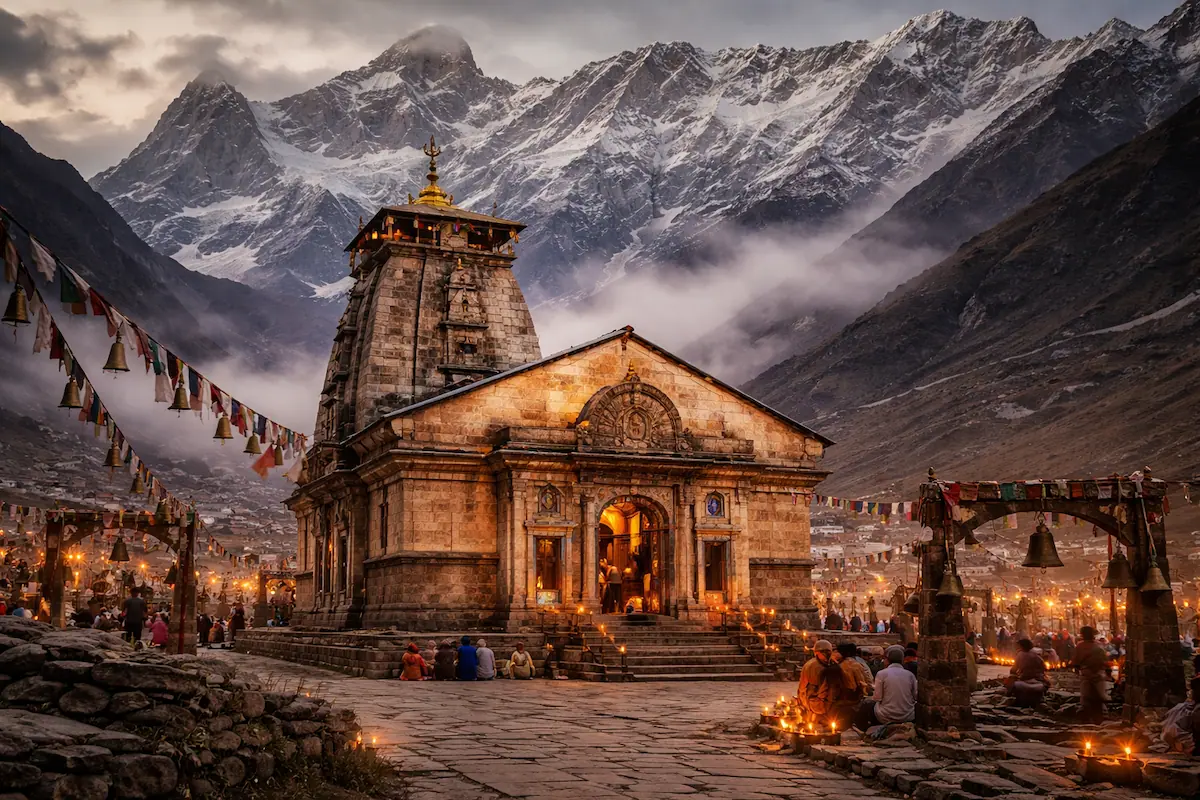
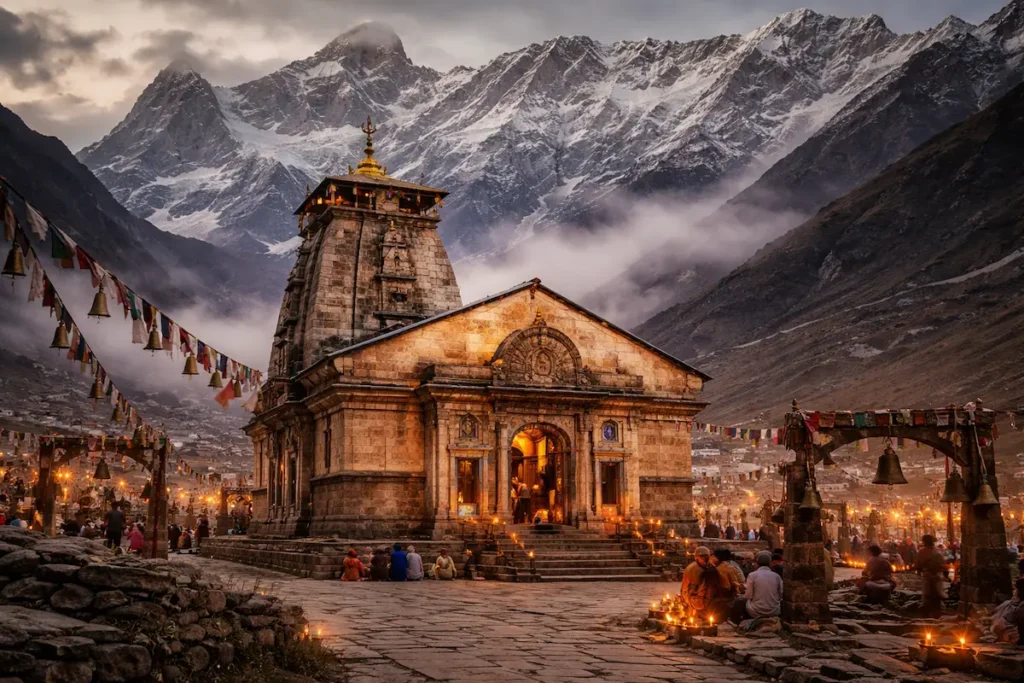
There are only a few things that really overwhelm anyone in the world, and Kedarnath is one of them. If you live in India or if you follow hindu religion, then you consciously or unconsciously, definitely heard about Kedarnath. Situated in the beautiful state of Uttarakhand, on the bank of river Mandakini, surrounded by mighty glowing Himalayas, Kedarnath is an inteeresting sacred place.
Introduction
This Kedarnath travel guide covers everything a pilgrim needs to know — including temple history, opening and closing dates, route map, trekking details, helicopter services, nearby attractions, weather conditions, accommodation options, puja timings, and essential travel tips, etc. Whether you are planning to visit physically or wish to book puja from home, this complete Kedarnath Yatra guide helps you prepare for a smooth and spiritually fulfilling journey.
A Dham of Lord Kedar
Shiva is one of the main deities in Hinduism and is worshipped as the supreme god by followers of Shaivism. According to the Puranas (ancient Indian scriptures), for the welfare of nature and life, Shiva manifested himself at 12 different locations in Bharatvarsha in the form of Jyotirlingas. Kedarnath is one of these self-manifested Jyotirlingas.
History & Significance of Kedarnath
Kedarnath is the most significant part of the Chota Char Dham Yatra (Uttarakhand Char Dham Yatra). Every year, this sacred yatra begins in April or May and continues until October or November. Millions of devotees visit to seek blessings. Among the four Dhams — Yamunotri, Gangotri, Kedarnath, and Badrinath — Kedarnath and Badrinath receive the highest number of pilgrims. Kedarnath has also been home to thousands of yogis and spiritual seekers for centuries.
According to the Skanda Purana, visiting Badrinath without first visiting Kedarnath makes the journey incomplete. It is believed that the sages Nar and Narayana (incarnations of Vishnu) performed penance here. Pleased by their devotion, Lord Shiva appeared and agreed to reside here forever as a Jyotirlinga.
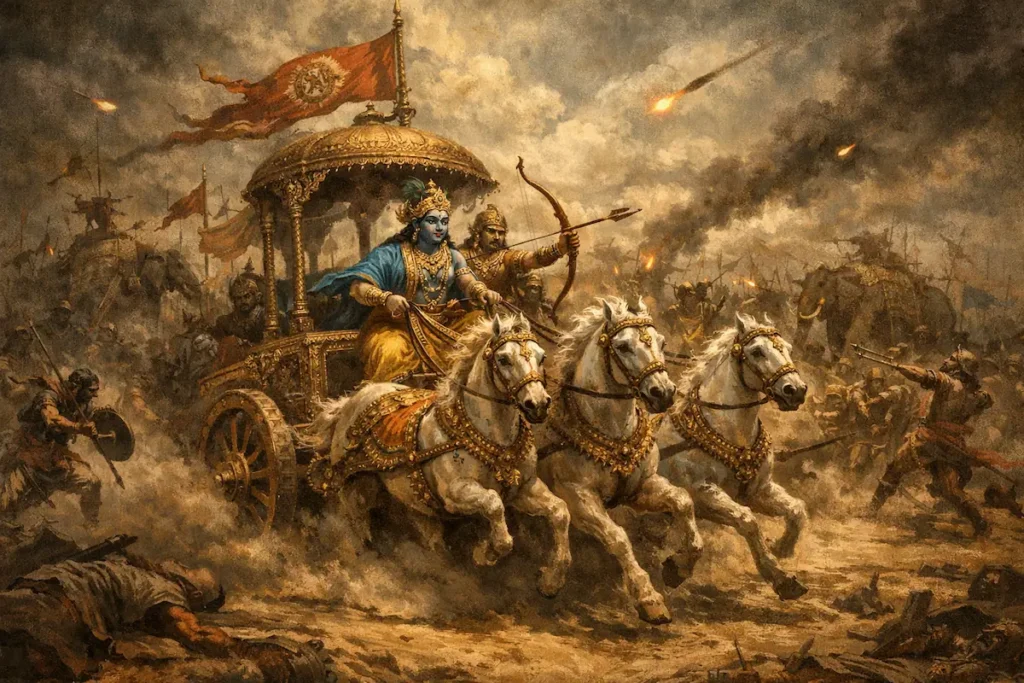
Another legend from the Mahabharata states that after the Kurukshetra war, the Pandavas sought forgiveness from Lord Shiva for their sins. Shiva, unwilling to forgive them immediately, transformed into a bull. Bhima recognized him and tried to catch him, but the bull disappeared into the ground and reappeared in five different parts at different locations — forming the Panch Kedar temples. In Kedarnath, Shiva is worshipped in the form of a bull’s hump.
Kedarnath Temple Opening & Closing Date 2026
| About | Details |
|---|---|
| Temple | Kedarnath Dham |
| Opening Date | 22 April 2026 |
| Closing Date | 11 Nov 2026 |
Due to heavy snowfall, Kedarnath Temple remains open only for six months a year. The opening date is announced on Maha Shivaratri by the temple priests based on the Hindu calendar.
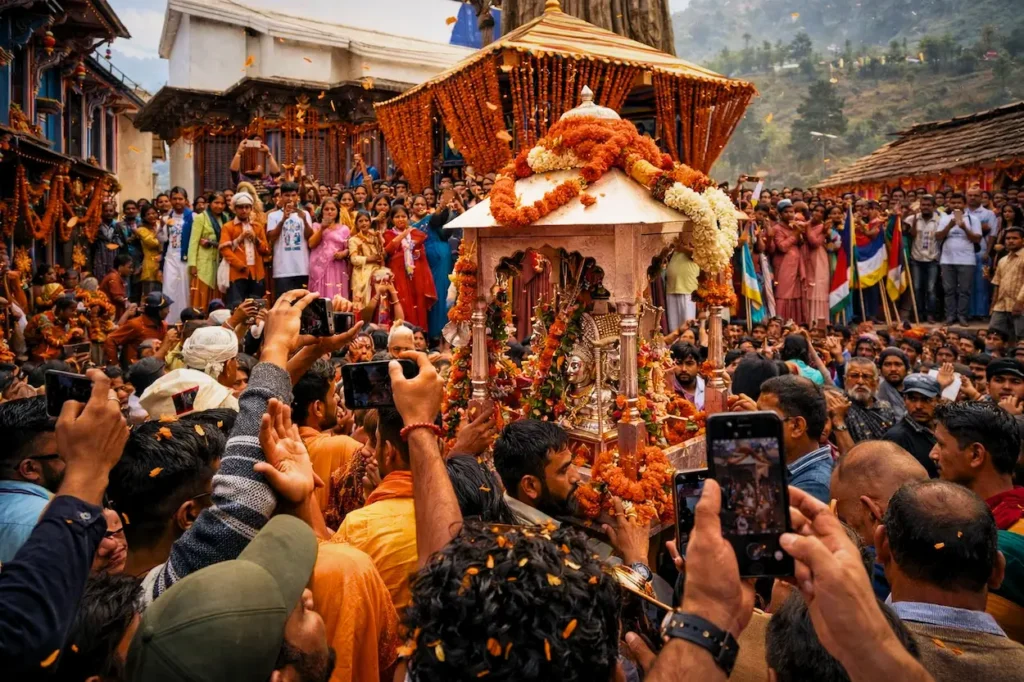
Before the temple opens, Bhairavnath Puja is performed at Omkareshwar Temple in Ukhimath. The idol (doli) of Kedarnath is then carried in a ceremonial procession via Phata and Gaurikund before reaching Kedarnath Temple. After Vedic rituals and chanting, the temple doors open for pilgrims.
The closing date is decided before Bhai Dooj. After performing the closing aarti and rituals, the temple remains closed for the winter season.
Geographical Route Map of Kedarnath Yatra
The Kedarnath journey passes through various terrains and valleys, making it one of the more challenging Dhams.
In the Char Dham Yatra sequence, Kedarnath temple comes after Yamunotri and Gangotri. Most devotees begin from Haridwar or Rishikesh, known as the gateway to the Char Dham.
Route Map:
Haridwar → Rishikesh → Devprayag → Srinagar → Rudraprayag → Agastmuni → Ukhimath → Guptkashi → Phata → Sitapur → Sonprayag → Gaurikund → Lincholi → Kedarnath
Kedarnath Places to See
-
Devprayag & Rudraprayag – Sacred river confluences forming part of Panch Prayag.
-
Guptkashi – Known for its scenic beauty and spiritual importance.
-
Sonprayag – Confluence of Vasukiganga and Mandakini rivers; route to Triyuginarayan Temple (believed to be the wedding site of Shiva and Parvati).
-
Gaurikund – Starting point of the Kedarnath trek. Associated with Goddess Parvati’s penance and the story of Lord Ganesha.
-
Rudra Meditation Cave – Popular meditation site near Kedarnath Temple.
-
Adi Shankaracharya Samadhi – Final resting place of Adi Shankaracharya.
-
Kaal Bhairav Temple – Guardian deity of Kedarnath Valley.
-
Vasuki Tal – High-altitude glacial lake, 8 km trek from Kedarnath.
-
Gandhi Sarovar (Chorabari Tal) – Scenic lake near Kedarnath associated with historical and mythological significance.
Weather in Kedarnath Dham
- Summer: Pleasant days, cold nights. Light woolens required.
- Monsoon: 10–18°C. Heavy rainfall and risk of landslides. Travel with caution.
- Winter: 5–13°C before closure. Cold but less crowded. Heavy woolens required.
How to Reach Kedarnath Temple
Traveling to Kedarnath dham involves multiple modes of transport. The journey is as rewarding as the destination, with breathtaking views at every turn. Knowing your options helps in meticulous planning.
The starting point is usually Haridwar or Rishikesh. From there, the trip includes traveling by air, train, or road. Each mode offers a unique experience.
Most travelers opt for a combination of these transport modes. Select one that suits your schedule and budget. Helicopter services offer quick access, though they’re subject to weather conditions.
Key Route Options Include:
- Air travel to Jolly Grant Airport
- Trains to Rishikesh
- Road travel through scenic routes
- Helicopter flights for direct temple access
By Air
The nearest airport is Jolly Grant Airport in Dehradun, about 238 km from Kedarnath. Regular flights connect with major Indian cities. Upon landing, continue by road to Gaurikund.
By Train
Reach the nearest train station at Rishikesh, located around 216 km from Kedarnath. Several trains run from major cities. From Rishikesh, hire a taxi or take a bus to Gaurikund.
By Road
Travel by road is popular among adventurers. Buses and taxis head to Gaurikund from places like Haridwar and Rishikesh. The winding roads offer stunning views, but expect a long journey.
Private vehicles are also an option, with ample parking available at Gaurikund. Local transport can be utilized from there to the base camp.
By Helicopter
Helicopter services offer a swift journey to Kedarnath. Multiple operators provide services from Phata, Sersi, and Guptkashi. Travel time is minimal, with breathtaking aerial views.
Booking is essential, and travelers should account for potential delays due to weather. Ensure to check the schedule for operational days and times.
Helicopter Service Providers:
- Phata Helipad Services
- Sersi Helipad Operators
- Guptkashi Aerial Routes
Gaurikund to Kedarnath Trek Guide
The trek to Kedarnath Temple begins at Gaurikund, nestled in the serene Himalayas. This starting point is rich with spiritual tales and natural beauty.
The trek spans approximately 16 to 18 km through rugged terrain. Pilgrims must prepare for a challenging but rewarding experience.
Well-marked routes ensure safe passage for trekkers. Prepare for steep climbs and variable weather conditions. Lightweight gear helps maintain ease during this spiritual journey.
Peaks like Kedarnath Dome stand out majestically. Pause and appreciate nature’s grandeur while ascending.
Replenishment points are scattered along the path. Stay hydrated and nourished for the journey’s demands. Make use of local tea stalls and eateries en route.
Consider hiring a local guide for cultural insights. They provide support and share vital regional knowledge. Walking with experienced guides enhances the trek’s richness.
Things to carry while trekking to Kedarnath:
- Warm, layered clothing
- High-quality trekking boots
- Raincoat and waterproof gear
- First-aid kit
- Snacks and sufficient water
How to Do Puja at Kedarnath from Home
If you cannot visit physically, you can book puja and live darshan through the official Kedarnath-Badrinath temple committee website. Prasad delivery services are also available online.
Where to Stay During Kedarnath Yatra
Accommodation options include:
-
Tents, dormitories, and ashrams at Kedarnath.
-
Hotels in Guptkashi, Phata, and Sonprayag for better comfort.
Kedarnath Darshan Tips
For a fulfilling darshan, arrive early in the morning. Dress modestly and respect the customs observed by other devotees. Following temple etiquette ensures a peaceful experience for everyone.
Helpful Darshan Tips:
- Arrive early morning
- Dress modestly
- Follow temple etiquette
Kedarnath Puja Timing
- Temple opens at 5:00 AM.
- Closes in the afternoon for a few hours.
- Reopens in the evening and closes after aarti around 6–7 PM.
Kedarnath Yatra Preparation: Physical and Mental Readiness
Preparing for the Kedarnath Yatra demands both physical stamina and mental fortitude. The trek is challenging, with steep ascents and unpredictable weather. It’s crucial to build your endurance well in advance.
Start with regular cardiovascular exercises to improve your fitness level. Walking, running, or cycling are beneficial. These activities strengthen your core, preparing you for the trek.
Mental preparation is equally important. Familiarize yourself with the route and possible challenges. Confidence and resilience are key to a successful yatra.
Create a plan for acclimatization to adjust to high altitudes. Hydration and rest are vital in mitigating altitude sickness.
Essential preparation tips include:
- Regular cardio and strength training.
- Research and familiarize with trek details.
- Hydration and acclimatization strategies
Travel Tips
- Carry woolens even in summer.
- Carry rain protection during monsoon.
- Complete biometric registration.
- Pre-book accommodation and helicopter tickets.
- Consult a doctor if you have heart, respiratory, or blood pressure issues.
FAQs about Kedarnath Yatra
Yes, registration is mandatory for all pilgrims. It helps the authorities keep track and ensure the safety of travelers.
Focus on improving physical fitness. Regular cardio and strength training help with high-altitude trekking.
Cash is essential, as ATMs are rare. Carry sufficient cash for expenses to avoid inconvenience.
For further clarity, consider the following:
- Permit and Registration: Essential for tracking pilgrims.
- Physical Fitness: Vital for tackling the trek.
- Cash Needs: Crucial due to limited ATM access.
The temple is accessible from May to October. May--June offers the most pleasant weather, while September--October is quieter with fewer crowds. Avoid July--August due to the monsoon, when heavy rains can cause landslides and disrupt travel.
Most travelers start from Haridwar or Rishikesh. You can fly to Jolly Grant Airport (Dehradun, about 238 km from Kedarnath) or take a train to Rishikesh (around 216 km away), then go by road to Gaurikund. From Gaurikund, trek approximately 16 km to the temple or book a weather-dependent helicopter from Phata, Sersi, or Guptkashi.
Yes. Registration is required for safety and crowd management and can be done online or at designated counters. Keep your permit handy during the journey. Have these ready:
- Valid ID proof
- Passport-sized photographs
- Completed application form
The trek is a challenging 16 km with steep ascents and variable weather. Build endurance with regular cardio and strength training, plan for acclimatization, and prioritize hydration and rest. To manage altitude:
- Pace yourself and take breaks
- Drink ample water; avoid alcohol and caffeine
- Eat light, frequent meals Consider hiring a local guide and pack essentials like warm layers, sturdy boots, rain gear, a first-aid kit, snacks, and sufficient water.
Stays are simple and fill quickly---book early. Options include government rest houses, private lodges, tented camps, and basic shelters at dhabas. Food is predominantly simple, vegetarian fare with tea and snacks available along the trail. Bottled water is sold, but carrying water purification tablets is wise. ATMs are scarce, so carry sufficient cash.
Kedarnath blends deep spiritual significance with breathtaking Himalayan beauty. It’s a key Char Dham site dedicated to Lord Shiva, centered around the ancient temple believed to be built by the Pandavas. Beyond devotion, the trek reveals majestic mountain vistas and a landscape rich in history and myth—offering spiritual fulfillment, natural grandeur, and cultural intrigue.
Most travelers begin from Haridwar or Rishikesh. You can fly to Jolly Grant Airport (Dehradun, ~238 km from Kedarnath) or take a train to Rishikesh (~216 km), then continue by road to Gaurikund. From Gaurikund, trek about 16 km to the temple. Helicopter services operate from Phata, Sersi, and Guptkashi for swift, weather-dependent access—book in advance, expect possible weather delays, and check operating days and timings.
Pack light but cover essentials for cold, rain, and rugged terrain. Bring warm layered clothing, high-quality trekking boots, a raincoat/waterproofs, and a first-aid kit. Carry sufficient water and snacks; consider water purification tablets. Include basics that aren’t always available en route, such as sufficient cash (ATMs are scarce).
Build endurance with regular cardio and strength training, research the route, and plan time to acclimatize. On the trail, keep a slow, steady pace, hydrate frequently, rest when needed, and eat light, frequent meals. Avoid alcohol and caffeine, and listen to your body—these habits help mitigate altitude sickness and keep you strong throughout the ascent.
For darshan, arrive early, dress modestly, and follow temple etiquette to maintain a peaceful atmosphere. Respect the fragile environment: don’t litter (carry your trash), use bins, and avoid disturbing wildlife. Embrace local customs and engage respectfully with the community—responsible behavior preserves the region’s sanctity and supports sustainable travel.

